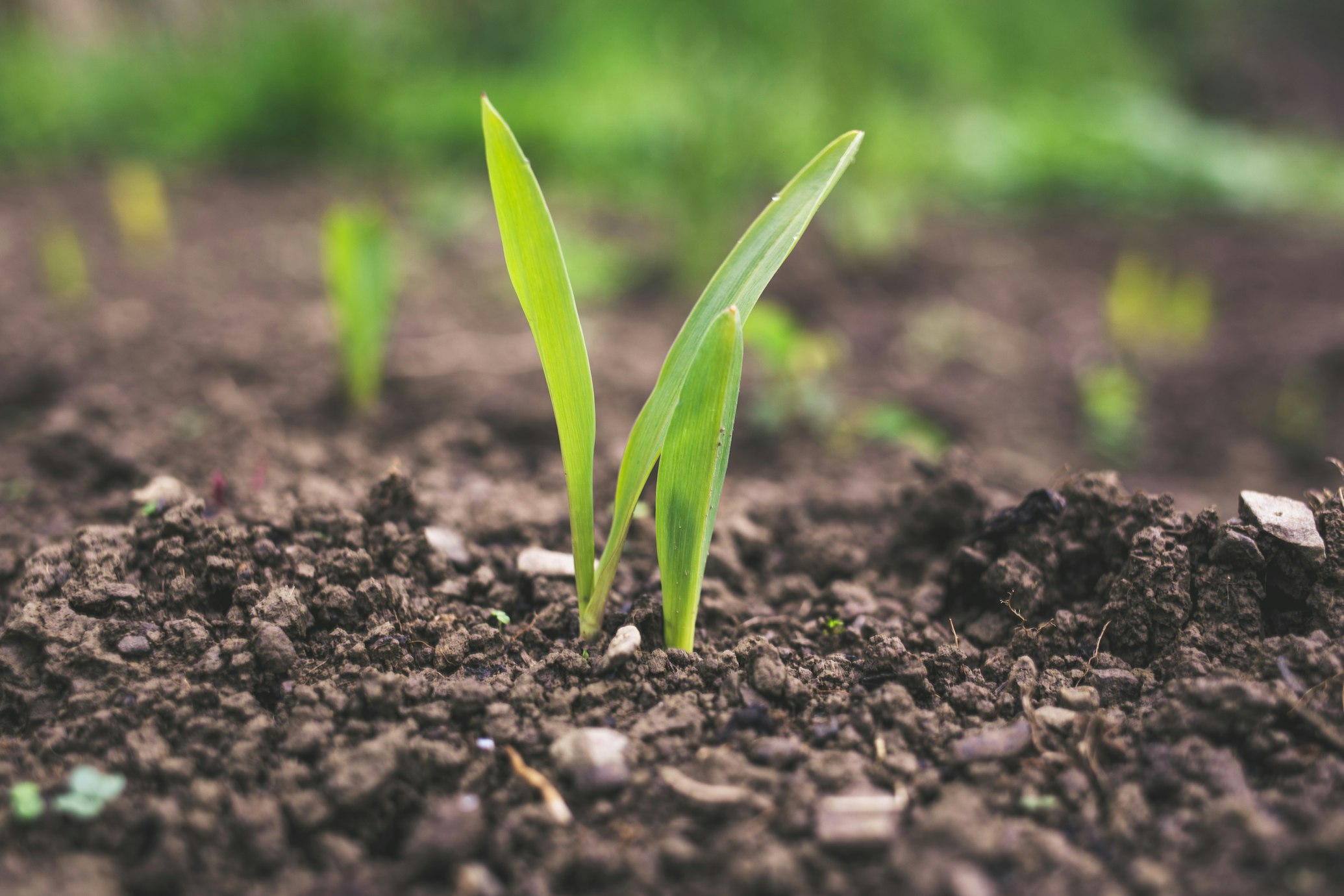
Biochar is a carbonaceous porous solid substance with physicochemical qualities appropriate for the long-term and safe storage of carbon. It is created by thermochemically converting organic materials in an oxygen-depleted atmosphere. The process of pyrolysis, which involves heating biomass to a high temperature while partially or completely devoid of oxygen, yields biochar.
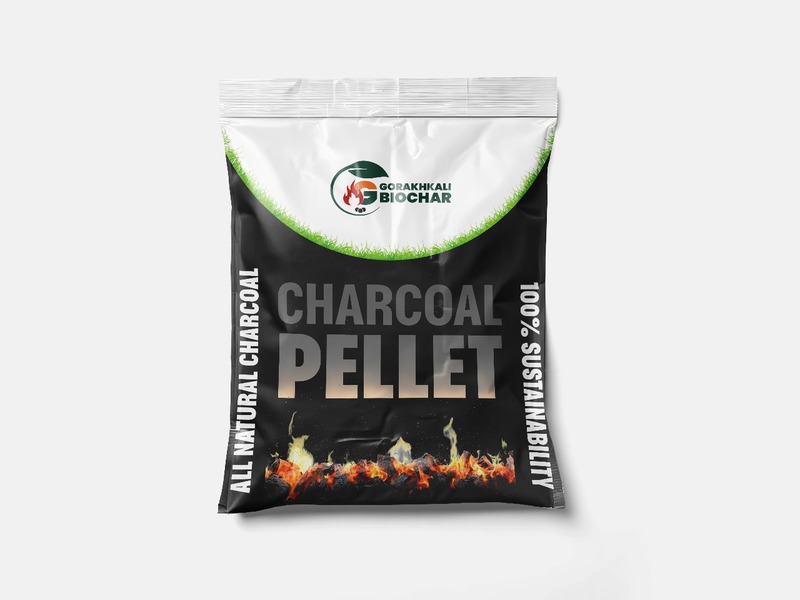

Mass loss from the thermal breakdown of biomass largely takes the form of organic volatiles, which leave behind voids that create a vast pore network. Because of this, biochar functions like an amazing sponge that can retain and absorb enormous volumes of water. Additionally, the numerous tiny holes offer highly practical residences for soil microorganisms.
The biochar produced by the pyrolysis method have the highest cation exchange capacities because of their combination of charged surface functional groups and larger surface area. Within six months, a piece of pure carbon biochar embedded in the soil will be coated with calcium, iron, magnesium, phosphorus, potassium, and sulphur scales. It has turned into a little ball of mineral.


The hydrologic characteristics of biochars are influenced by two primary pyrolysis processes: the reduction of functional groups modifies the material's water affinity, and the increase in porosity modifies the quantity of water that may be adsorbed. The porosity and interconnectivity of the pores are two factors that affect a material's water holding capacity, or its ability to hold and retain water. It follows that high-temperature-produced biochars are able to store more water in their porous structure.
The escaping volatile gases during the carbonization process cause changes in the porosity and the biomass's overall surface area. Large surface area is a need for many biochar applications since it is linked to several other biochar features (such as cation exchange capacity or water holding capacity). One of the properties of biochar derived from pyrolysis is its larger surface area. At around 700 °C, a surface area of 800 m2 /g can be achieved.

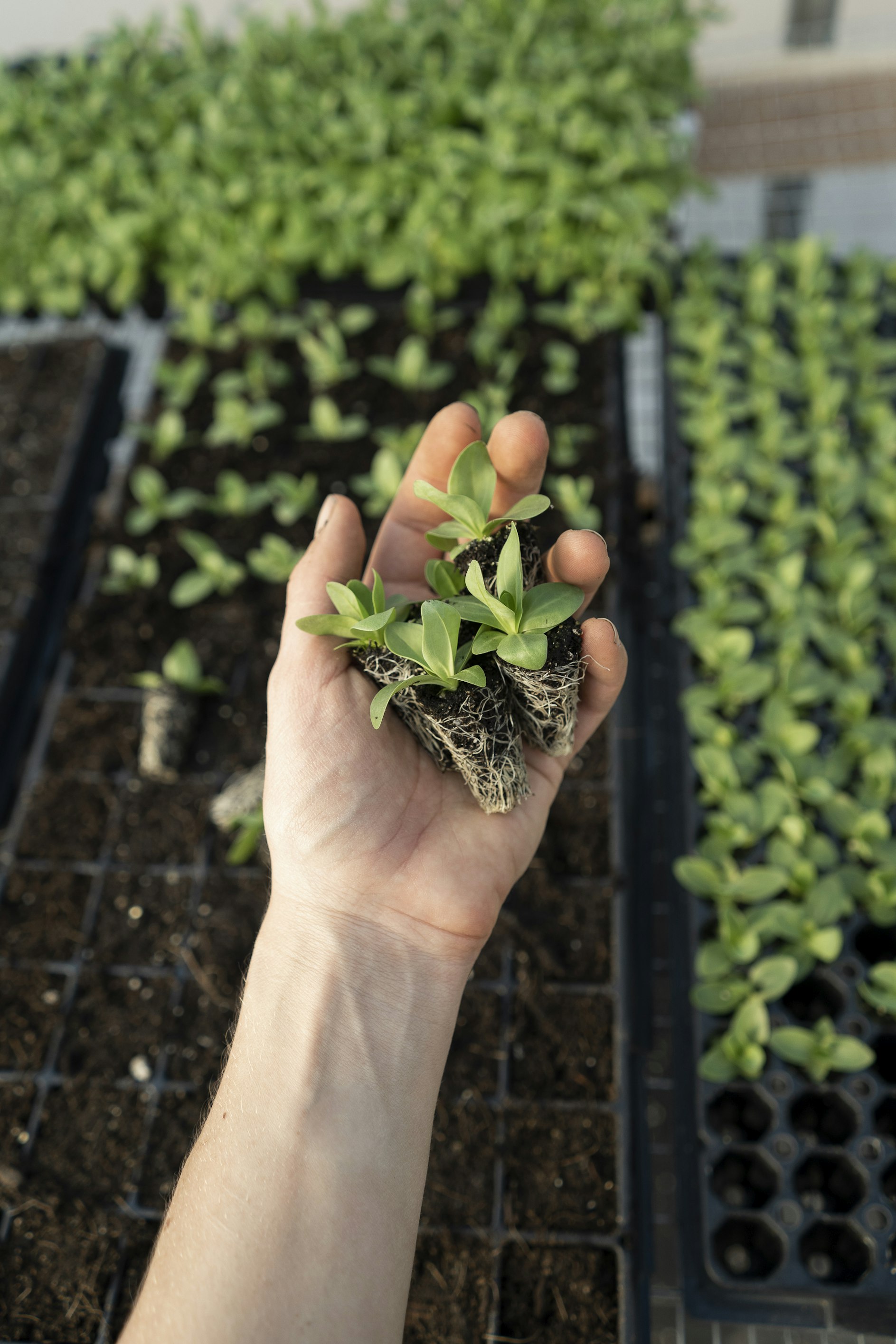
As a soil conditioner, biochar improves fertility by forming a porous structure that encourages the exchange and retention of nutrients. It offers a home for helpful microbes that support the cycling of nutrients and increase the availability of vital components for plants. By offering a steady environment for nutrient retention and exchange, biochar improves soil fertility by encouraging the availability of critical components for plant growth.
Since biochar is porous, it enhances the structure of the soil by forming places where water may be held and stored. Because of their enhanced ability to retain water, plants can better access water during dry spells, which minimises the frequency of watering. As biochar enhances soil structure, it holds water better. This lessens water runoff and provides plant sustenance during dry spells, which is beneficial in areas vulnerable to drought.
Pyrolysis produces biochar, a stable form of carbon that stops organic materials from decomposing quickly and releasing carbon dioxide. Biochar lowers atmospheric carbon levels and helps mitigate climate change by storing carbon in the soil. By absorbing carbon from organic materials that would otherwise break down and emit carbon dioxide into the atmosphere, biochar serves as a carbon sink. This helps to lessen the effects of climate change.
It has been demonstrated that adding biochar to soils increases plants' tolerance to certain diseases and stressors, boosting crop resilience overall. The beneficial interactions that occur between soil microbes, plant roots, and biochar are frequently credited for this advantage thereby enhancing the overall resilience of crops.
Methane and nitrous oxide emissions from the soil can be reduced by using biochar. The effect of biochar on soil microbial activities, which affect the generation and consumption of these gases, is related to this decrease in emissions.
Mycorrhizal fungi and bacteria, among other beneficial microbes, find a home in biochar, which promotes a varied and balanced soil microbiome.These microbes support the general health of the soil, the cycling of nutrients, and the prevention of illness.
Because biochar improves soil quality and lowers the demand for chemical fertilizers, it is consistent with sustainable soil management methods when used in agricultural applications. Long-term agricultural production and environmental health are supported by sustainable soil practices, which include the use of biochar.
By decreasing surface runoff, the enhanced soil structure brought about by the use of biochar aids in the prevention of soil erosion. Biochar protects important topsoil and ensures the long-term viability of agricultural land by improving soil stability.

Our Services list