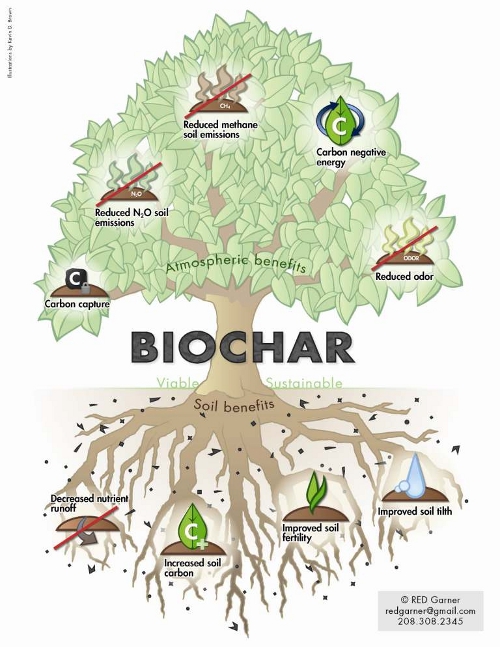
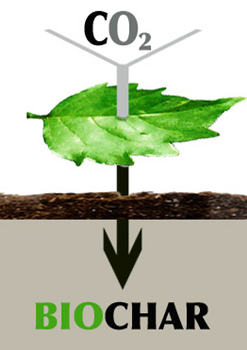
The thermal conversion of organic materials, usually in an oxygen-limited atmosphere, yields biochar, a substance which is rich in carbon. Biomass materials like wood, agricultural wastes, or manure are converted through a process called pyrolysis into a stable form of carbon that can last a long time in the soil. The process of making biochar improves soil qualities, encourages sustainable farming methods, and sequesters carbon.
Biochar is applied as a soil supplement in agriculture to increase soil fertility, water retention, and nutrient availability. Because of its porous nature, beneficial microorganisms may live there and thrive, improving plant development and soil health. Furthermore, because it may store carbon in the soil and lower greenhouse gas emissions, biochar has drawn attention for its potential to slow down global warming.
Scientists discovered in the middle of the 1990s that biochar has a bright future in absorbing carbon dioxide and lowering carbon emissions from Terra preta research as part of the endeavour to successfully reduce atmospheric carbon dioxide emissions and concentrations to prevent climate change today. Subsequent to the inaugural conference of the International Biochar Advocacy Organisation, which took place in Australia in 2007, numerous nations founded National Biochar Societies to launch conferences showcasing biochar research and demonstration. Ever since, the volume of biochar research has steadily increased.

Pyrolysis is the thermal degradation of organic molecules at temperatures between 300 and 900 °C in an oxygen-free atmosphere. To create solid, liquid, and gaseous components, the cellulose, hemicellulose, and lignin in the biomass undergo distinct reaction pathways during thermal breakdown, such as cross- linking, depolymerization, and fragmentation at their own temperature. The solid and liquid byproducts are referred to as char and bio-oil, respectively, while the gaseous combination including CO, CO2, H2, and C1–C2 hydrocarbons is called syngas. The yields of the pyrolysis products are determined by the characteristics of the raw biomass sources and the pyrolysis techniques employed.